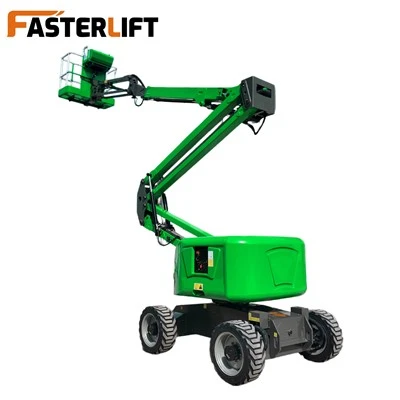
The function of a crane is to vertically lift and horizontally move heavy objects within a certain range. Widely used in construction, ports, factories, energy, and other fields, it is an indispensable material handling machine in modern industry and engineering construction.
Core Functions Explained:
Vertical Lifting: Lifting heavy objects from the ground or a certain height using a lifting mechanism (such as a hook, grab bucket, electromagnetic chuck, etc.) is the most basic action of a crane.
Horizontal Movement: After the heavy object is lifted, horizontal or longitudinal displacement can be achieved through the trolley, crane body, or slewing mechanism, completing precise positioning within space.
Luffing and Slewing (Unique to Boom Cranes)
Luffing: Adjusting the working radius by changing the boom angle, suitable for truck cranes, tower cranes, etc.
Slewing: Achieving 360° rotation, expanding the working coverage area and improving flexibility.
Multi-action coordinated operation: The working characteristic of cranes is intermittent cyclical operation. A complete work cycle includes: material picking → moving → unloading → empty hook return.