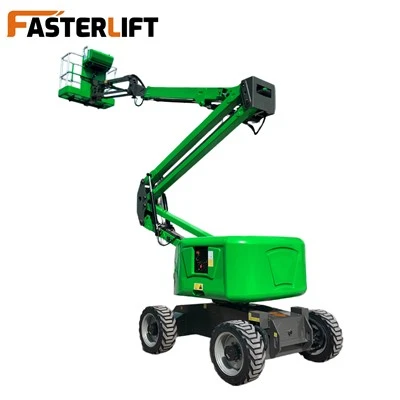
Select the Correct Type of Scissor Lift
Scissor lifts come in a variety of different types, such as electric, rough terrain, pneumatic, diesel, or hydraulic. It's important to find the right scissor lift for your specific worksite, not only to ensure it does what you need but also to keep your scissor lift operators safe.
If you work outdoors, a rough terrain lift is probably ideal. If you're doing indoor maintenance, an electric lift might be your best bet.
Check the Manufacturer's Load and Reach Capacity
Before operating the scissor lift, be sure to check the manufacturer's instructions for details like weight limits, load rating, and reach limits. Exceeding your lift's load or reach capacity can cause it to become unstable or tip over.
Evaluate the Job Site's Environment and Conditions
Before you begin work, examine your work area's conditions to see what safety hazards you might run into. For outdoor worksites, this could include holes, pits, uneven terrain, and weather conditions. For indoor worksites, this could include overhead hazards, bumps, or other obstructions.
Do You Need a Safety Harness on a Scissor Lift?
While you may not always be required to wear a safety harness while operating a scissor lift, it is a good piece of personal protective equipment (PPE) to use as a failsafe for extra fall protection in case something goes wrong.