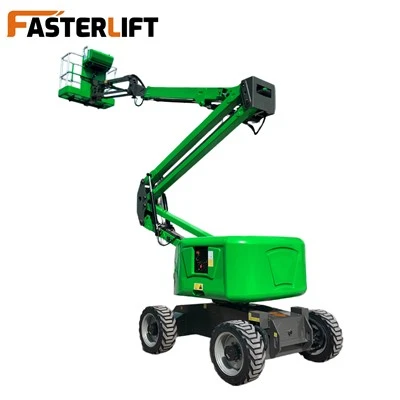
Fixed scissor lifting platforms are cargo lifting equipment with high lifting stability and a wide range of applications. They are mainly used for cargo transportation between height differences of production lines; loading and unloading of materials; height adjustment of workpieces during assembly; feeding to elevators from high places; lifting components during assembly of large equipment; loading and unloading for large machine tools; supporting fast cargo loading and unloading in warehousing and loading places with forklifts and other handling vehicles, etc. Proper selection of various configurations such as electric control mode, working platform form and power type can maximize the functions of the lifting platform and achieve the optimal use effect.
With the continuous social development, more and more industries choose hydraulic lifts. Different hydraulic lifts have different requirements for the application environment and their own parameters (such as rated load capacity, lifting height, platform size, shaft size). The engineering department customizes lifts according to different customer needs, usually considering the following aspects:
Installation Environment: The self-height of a fixed scissor lift is higher than that of a guide rail type. If the on-site environment cannot accommodate a pit, or the pit depth is lower than the self-height of the lift, a guide rail hydraulic lift shall be considered first.
Lifting Height: Generally, the lifting height of a guide rail hydraulic lift is more than 3 meters, up to 18 meters, with a very high safety factor. For equipment requiring a high lifting height, a guide rail hydraulic lift shall be preferred to ensure stability.
Platform Size: With a determined shaft size, the platform size of a scissor hydraulic lift is larger than that of a guide rail hydraulic lift. If a large platform size is required, a scissor hydraulic lift may be more suitable.
Application Environment: For outdoor operation, or indoor operation prone to water accumulation, a guide rail lift shall be selected to ensure safe operation.
I.Operation Notes for Hydraulic Lifts
Connect the power supply, test run 2–3 times after the indicator lights are on, before formal operation.
Deploy the outriggers, adjust the outrigger bolts to level the lifting platform, then lock the outrigger positioning pins.
Personnel riding is strictly prohibited on fixed lifting platforms without safety guardrails.
Overloading is strictly prohibited, as it is the main cause of accidents.
Live working on the lift is strictly prohibited to prevent electric shock.
Moving the lift during operation is strictly prohibited.
Non-professionals shall not adjust the relief valve at will. Each component in the hydraulic system operates under specified pressure; random adjustment may cause abnormal operation and unnecessary damage to personnel, machinery and materials.
Operation is prohibited when the wind force exceeds level 5, or in rainy or snowy weather.
II. Inspection Notes for Hydraulic Lifts
(Mainly appearance and performance inspection)
Check whether the wires are intact.
Check whether all buttons are effective.
Check whether the nuts at each intersection on the lift arm frame are tightened.
Check for oil leakage in hydraulic oil pipes and other parts.
III. Maintenance Notes for Hydraulic Lifts
Non-electrical professionals shall not disassemble or assemble electrical parts at will to prevent electric shock or wrong connection.
Clean accumulated water and dust on the platform in a timely manner to avoid moisture damage.
Polish all contact components with hydraulic oil in time to extend their service life.
Replace hydraulic oil once a year. If conditions permit, use No.32 hydraulic oil in winter and No.46 hydraulic oil in summer.
When the hydraulic lift is out of use for a long time, cut off the power supply to prevent lightning damage in thunderstorms, and store the equipment in a cool and dry place.
Product ParametersIncluding platform size, lifting height, rated load capacity and structure type. Different sizes, heights and loads determine the materials and type of the cargo lift. Products can be customized according to environmental requirements. Parameters and materials directly determine the price of hydraulic cargo lifts.
Installation and Transportation CostsThe price of a cargo lift includes installation and transportation fees. Installation costs are the same for identical platforms, while transportation costs vary by region. Specific costs depend on the installation and usage location.
Type of Cargo LiftProduct selection is determined by the application site. Guide rail type cargo lifts may not be suitable for all sites, and other types shall be selected accordingly. Prices vary by equipment type.
Manufacturer SelectionPurchase hydraulic cargo lifts from manufacturers with professional production qualifications. Some small manufacturers lack qualifications and cut costs to offer low prices, resulting in poor safety and potential accidents. Qualified manufacturers provide reliable product quality and after-sales service.
Four Major Safety Systems
Overload Protection Device: Prevents the equipment load from exceeding the rated capacity.
Hydraulic Oil Pipe Protection Valve: Prevents equipment runaway in case of accidental pipe leakage.
Emergency Descent Device: Allows the equipment to lower to a safe height in case of sudden power failure.
Safety Interlock for Doors/Windows: Safety locks can be installed for upper and lower doors during equipment operation when safety doors are equipped.