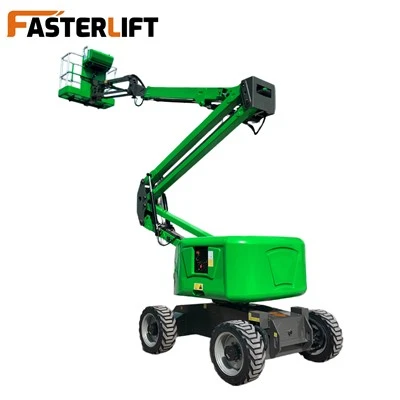
The basic characteristic of a crane is that it is a material handling machine that operates intermittently and cyclically, capable of vertically lifting and horizontally moving heavy objects within a certain range.
These machines typically have a large metal structure and a complex mechanical system, capable of simultaneously performing multiple movements such as lifting, traveling, luffing, and slewing. For example, a bridge crane can perform three actions: lifting, trolley travel, and overhead crane travel, while a tower crane can perform four actions:
lifting, luffing, slewing, and overhead crane travel. Multiple movements in different directions often require coordinated operation, demanding a high level of technical skill.
Cranes operate in diverse environments, widely used in complex scenarios such as construction sites, ports, workshops, and warehouses. They often face situations involving height, open areas, and multiple devices working together, resulting in higher safety risks. The objects they lift are also extremely diverse, ranging from packaged goods weighing a few tons to large equipment weighing hundreds of tons, even including bulk materials (such as coal and ore) and liquid materials (such as molten steel). Some models can also be used for passenger transport (such as elevators).
In addition, cranes are mostly special equipment with many exposed moving parts during operation (such as hooks and wire ropes), requiring multiple people to coordinate command and operation, which places high demands on the professionalism and emergency response capabilities of the operators.