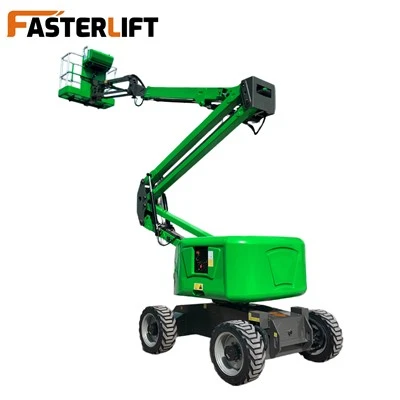
Daily crane maintenance is crucial for ensuring the safe, stable, and efficient operation of the equipment. The core lies in the daily pre- and post-operation checks, cleaning, lubrication, and recording to promptly identify and eliminate potential hazards.
Pre-operation: Comprehensive Inspection to Ensure Good Condition
Structural and Connecting Component Inspection: Inspect the crane's metal structure for deformation, cracks, or corrosion, focusing on load-bearing components such as the main beam, outriggers, and rails; tighten all connecting bolts to prevent loosening due to vibration.
Lifting Gear and Wire Rope Inspection: Hooks should be free of cracks and deformation; anti-derailment devices should be intact and effective. Wire ropes should be free of broken wires, broken strands, knots, wear, or corrosion; lubrication should be good; and the knot length should meet standards (not less than 15 times the wire rope diameter and greater than 300mm).
Safety Device Function Testing: Confirm that limit switches, brakes, overload protection devices, and buffers are sensitive and reliable; arbitrary adjustment or removal is strictly prohibited. For example, the lifting height limit switch should automatically stop operating before the hook reaches its limit position.
Electrical and Hydraulic System Inspection: Cables are free from damage and aging; terminals are not loose or overheating. Hydraulic system oil level is normal; pipelines are leak-free; pressure is stable (if any).
Operating Environment Confirmation: Clear obstacles from the work area, ensure the site is level and adequately lit, set up a warning line, and prevent unauthorized personnel from entering the work radius.