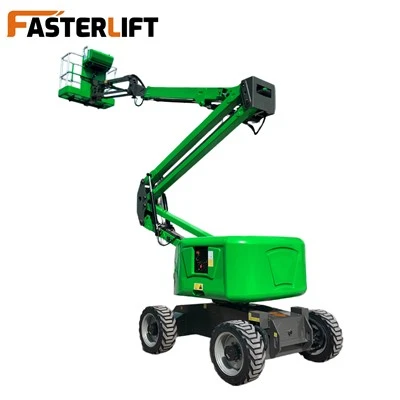
The main technical parameters of a crane include rated lifting capacity, lifting height, working radius, lifting torque, and working speed. These are the core basis for crane selection and safe operation.
According to industry standards and engineering practice, the key technical parameters of a crane and their functions are as follows:
Rated Lifting Capacity (Q)
This refers to the maximum mass of material that the crane is allowed to lift under normal operating conditions, including the mass of detachable lifting devices (such as grab buckets and electromagnetic chucks), measured in tons (t). This is the core indicator determining the crane's lifting capacity.
Lifting Height (H)
This is the vertical distance from the ground or rail surface to the highest point of the lifting device (such as a hook or grab bucket), directly affecting the planning of the workspace, measured in meters (m).
Working Radius (R)
For rotating boom cranes, this refers to the horizontal distance from the center line of rotation to the center of the lifting device; for non-rotating cranes, it is expressed as "effective radius." This parameter reflects the horizontal working range.
Lifting Moment (M=Q×R)
The product of lifting capacity and working radius, it is a key indicator of a crane's anti-tipping ability, especially crucial for tower cranes.
Working Speed
Includes four speeds: hoisting, traveling, luffing, and slewing, measured in m/min or r/min. The speed differs between no-load and rated load conditions, affecting operational efficiency.
Span (S)
Applicable only to bridge cranes, it refers to the horizontal distance between the centerlines of the trolley's running tracks and directly impacts factory building structural design.